
Exploring Lidar Robotics inHumanoids and When It Helps
Most phones now have a lidar sensor built-in. But for robots, lidar is essentially their eyes, helping them perceive depth, structure, and movement in their environment with pinpoint accuracy. Unlike standard cameras that rely on ambient light, lidar creates its own light source, making it reliable in pitch-black warehouses or glaring sunlight.
Let’s explore the main types of lidar sensors, how they measure distance, and which types of robots are best suited to 2D, 3D, Flash, and FMCW technologies.
How a Lidar Sensor Works
Lidar stands for Light Detection and Ranging. At its core, the sensor works by emitting rapid laser pulses (often millions per second) at surfaces and measuring the time it takes for that light to bounce back to the sensor. Because the speed of light is constant, the system calculates the exact distance to the object using the Time of Flight (ToF) principle.
| Lidar Type | Key Strength | Best Suited For |
|---|---|---|
| 2D Lidar | Cost-effective, simple processing | Indoor AGVs, robotic vacuums |
| 3D Lidar | 360-degree dense spatial mapping | Autonomous vehicles, complex AMRs |
| Solid-State (Flash) | Durable, compact, no moving parts | Drones, rugged industrial robots |
| FMCW Lidar | Measures velocity and distance directly | High-speed tracking, advanced robotics |
1. 2D Lidar
2D lidar spins a single laser beam to map a flat, horizontal slice of the world. It cannot see above or below this specific plane, meaning it can detect a wall or a person’s legs, but might completely miss an overhanging table edge.
2. 3D Lidar (Mechanical)
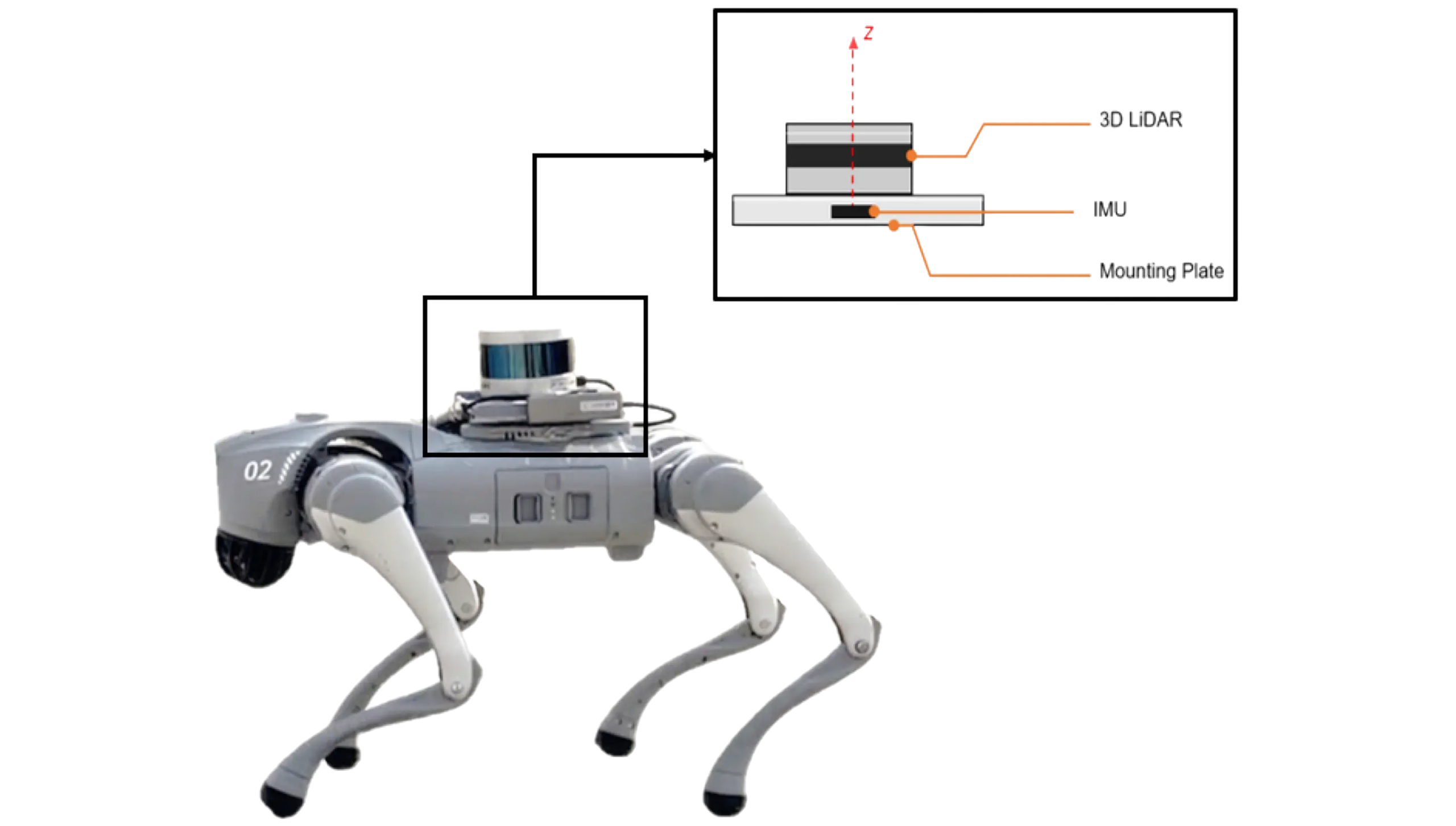
Mechanical 3D lidar stacks multiple laser beams (often 16, 32, 64, or 128 channels) and spins them 360 degrees. This creates a dense, three-dimensional point cloud of the robot’s surroundings. While highly accurate and comprehensive, the spinning mechanical parts make these sensors relatively expensive and susceptible to physical wear and tear.
3. Solid-State Lidar (Flash)
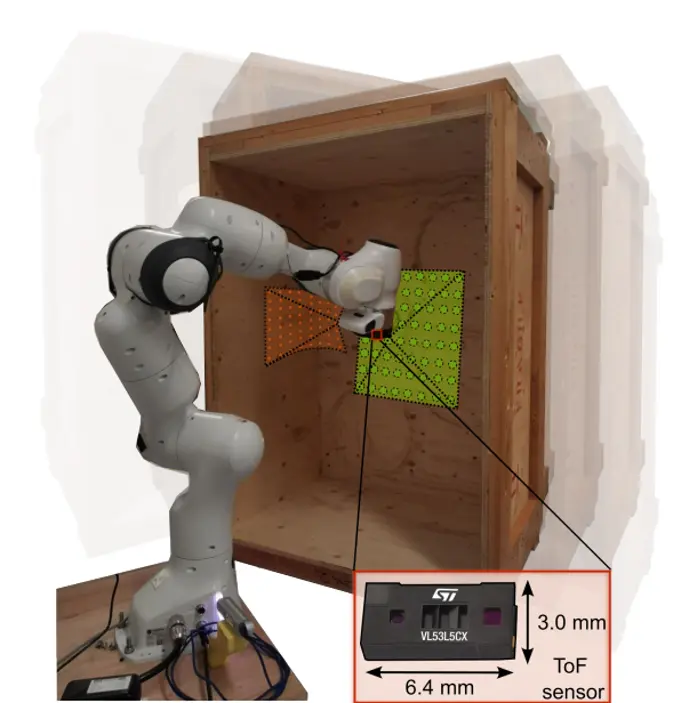
Instead of spinning, Flash Lidar illuminates an entire scene with a single, wide flash of laser light—much like a traditional camera flash—and captures the returning light on a microchip array. Because there are no moving parts, solid-state sensors are significantly more robust against vibrations, cheaper to manufacture at scale, and highly reliable.
4. FMCW Lidar (Frequency-Modulated Continuous Wave)
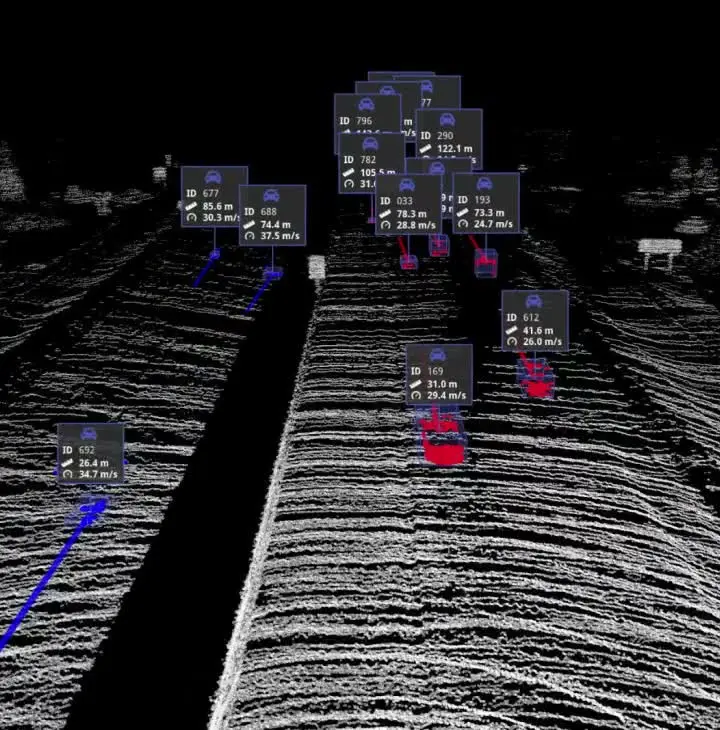
Unlike standard ToF sensors that pulse light, FMCW emits a continuous laser beam that steadily changes frequency. When the light bounces back, the sensor compares the returning frequency to the outgoing one. This allows FMCW to calculate not just distance, but also the exact velocity of the moving object (thanks to the Doppler effect). It is highly immune to interference from sunlight or other lidar sensors.
Looking for depth-accurate data to train your AI? Objectways specializes in high-precision point cloud annotation. Contact our sales team today to discuss your training data needs.
admin
Objectways provides high-quality data annotation and AI training services, empowering autonomous systems and machine learning teams globally with precision human-in-the-loop datasets.
Frequently Asked Questions
What is LiDAR and how does it work?
LiDAR (Light Detection and Ranging) is a remote sensing method that uses light in the form of a pulsed laser to measure ranges (variable distances) to the Earth.
How does 3D LiDAR differ from 2D LiDAR?
While 2D LiDAR scans a single horizontal plane, 3D LiDAR uses multiple laser beams to scan the environment in three dimensions, providing a complete point cloud of the surroundings.
What are the main applications of LiDAR in robotics?
LiDAR is widely used in autonomous navigation, obstacle detection, 3D mapping (SLAM), and object tracking across various industries including logistics, automotive, and agriculture.